

Truck vs SUV: Which Is Better for Your Needs?
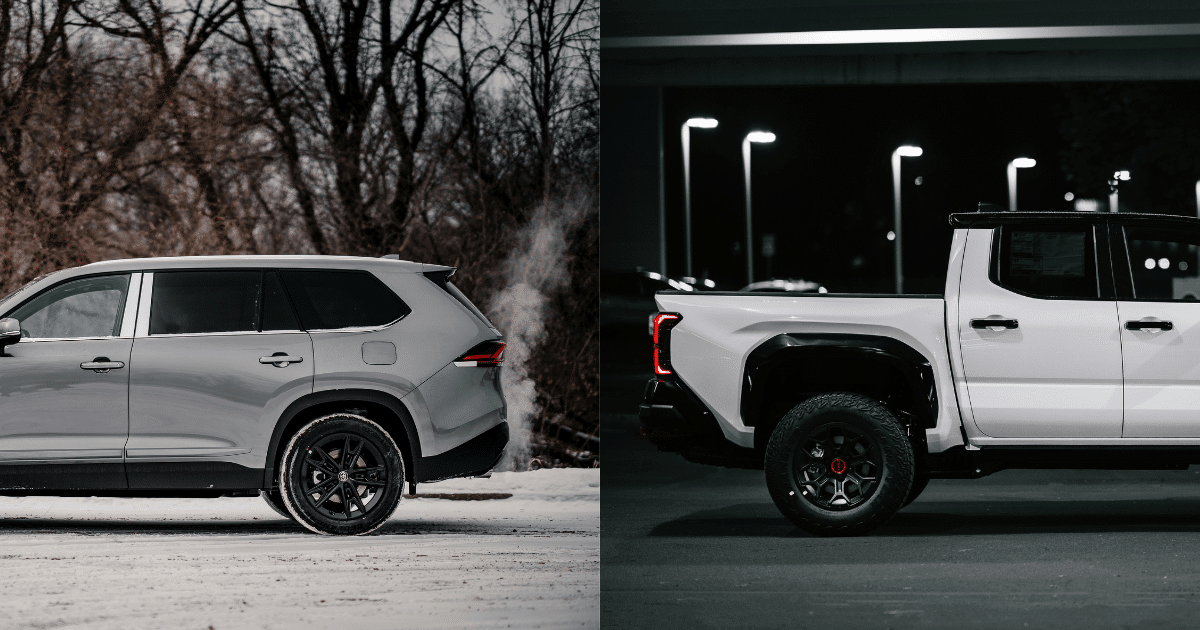
Choosing between a truck and an SUV can feel overwhelming, especially when both options offer versatility, power, and modern features. If you’ve been researching truck vs SUV, you’re likely trying to figure out which one actually fits your day-to-day life—not just what looks good on paper.
For some drivers, the decision is simple: they need towing power and hauling capability. For others, comfort, passenger space, and fuel efficiency matter more. The challenge is that today’s trucks are more comfortable than ever, and SUVs are more capable than they used to be, making the decision less obvious.
In this guide, we’ll break down the real differences between pickup trucks and SUVs, including performance, cost, comfort, and long-term practicality. By the end, you’ll have a clear understanding of which option aligns best with your needs, whether you’re commuting in the city, road-tripping with family, or tackling tougher jobs.
Truck vs SUV: Core Differences Explained
Understanding the foundation of each vehicle type makes everything else easier to evaluate.
What Is a Pickup Truck?
Pickup trucks are designed primarily for utility. They typically feature:
- An open cargo bed
- Body-on-frame construction
- Strong towing and payload capacity
This design makes trucks ideal for heavy-duty tasks like hauling materials or towing trailers.
What Is an SUV?
SUVs (Sport Utility Vehicles) are built for versatility and passenger comfort. They generally include:
- Enclosed cargo space
- Multiple seating rows
- Car-like handling (especially in crossovers)
SUVs are better suited for everyday driving and family use, while still offering decent capability.
Performance and Capability
Towing Capacity
When it comes to towing, trucks almost always come out ahead.
- Full-size trucks can tow anywhere from 8,000 to over 13,000 pounds
- Most SUVs fall between 3,500 and 8,000 pounds
If you plan to tow boats, trailers, or campers regularly, a truck will give you more confidence and capability.
Payload and Hauling
Payload refers to how much weight you can carry.
Trucks:
- Higher payload limits
- Open bed for oversized or messy items
SUVs:
- Lower payload capacity
- Enclosed space protects cargo from weather
This difference matters if you’re hauling tools, dirt, furniture, or anything that doesn’t fit neatly inside a cabin.
Off-Road Performance
Both vehicle types can handle off-road conditions, but they do it differently.
- Trucks often offer better durability and ground clearance
- SUVs provide better maneuverability and control on tight trails
For occasional off-roading, SUVs are often easier to handle. For more demanding terrain, trucks may be the better option.
Comfort and Daily Driving Experience
Ride Quality
One of the biggest differences in the pickup vs SUV debate is ride comfort.
SUVs typically provide:
- Smoother suspension
- Less cabin noise
- More refined driving feel
Trucks can feel:
- Stiffer, especially when unloaded
- Less stable on rough pavement
If your driving is mostly commuting, errands, or school runs, SUVs tend to offer a more comfortable experience.
Ease of Driving
SUVs are generally easier to live with day to day.
- Easier to park
- Better visibility in tight areas
- More responsive steering
Full-size trucks, on the other hand:
- Require more space
- Can be harder to maneuver in cities
This is especially important if you regularly drive in crowded areas or parking garages.
Interior Space and Practicality
Passenger Space
SUVs are designed with passengers in mind.
- Available third-row seating
- Easier entry and exit
- More legroom in many models
Trucks can accommodate families, especially crew cab models, but:
- Rear seating can still feel tighter
- Higher step-in height can be less convenient
Cargo Versatility
SUVs offer flexible interior storage solutions:
- Fold-down seats
- Flat loading floors
- Climate-controlled space
Trucks offer:
- More total cargo capacity
- Ability to carry taller or dirtier items
If you frequently transport people and groceries, SUVs are more practical. If you move equipment or bulky items, trucks shine.
Fuel Efficiency and Ownership Costs
Fuel Economy
Fuel efficiency is a major factor for many buyers.
SUVs typically get:
- Better gas mileage
- More hybrid options
Trucks:
- Use more fuel due to size and weight
- Are less efficient for daily commuting
Purchase Price
Pricing varies widely, but trends include:
- Trucks can get expensive quickly with upgrades
- SUVs offer more entry-level options
Long-Term Costs
Over time, consider:
- Fuel expenses
- Insurance rates
- Maintenance
SUVs often cost less to own overall, especially if you’re not using a truck’s full capabilities.
Lifestyle Fit: Which One Matches You?
When a Truck Is the Better Choice
A truck makes sense if you:
- Tow frequently
- Work in construction or trades
- Haul large or messy materials
- Spend time in rugged environments
Trucks are built for function first, making them ideal for hands-on lifestyles.
When an SUV Is the Better Choice
An SUV is the better fit if you:
- Drive daily in suburban or urban areas
- Have a family or need extra seating
- Prioritize comfort and efficiency
- Take road trips regularly
SUVs balance practicality and comfort, making them ideal for most drivers.
Pros and Cons Comparison
Truck Advantages
- Strong towing and payload capacity
- Durable construction
- Open cargo bed for flexibility
Truck Disadvantages
- Lower fuel efficiency
- Larger size makes parking harder
- Rougher ride quality
SUV Advantages
- Comfortable ride
- Better fuel economy
- More passenger-friendly
- Easier to drive daily
SUV Disadvantages
- Lower towing limits
- Less cargo flexibility for oversized items
Professional Considerations Before You Decide
Resale Value
Both trucks and SUVs hold value well, but trucks often perform especially strong in markets where demand is high.
According to Kelley Blue Book, trucks consistently rank among the top vehicles for resale value due to their durability and demand.
Safety Ratings
Modern SUVs often perform well in crash testing, thanks to their design and safety technology.
Organizations like Insurance Institute for Highway Safety provide updated safety ratings that can help you compare specific models.
Real Usage Matters
One of the biggest mistakes buyers make is overestimating their needs.
Ask yourself:
- How often will I tow or haul?
- Do I need open-bed cargo space regularly?
- Will I prioritize comfort most days?
Being honest here will save you money and regret later.
FAQs
Is a truck or SUV better for families?
SUVs are generally better for families due to:
- More seating
- Easier access
- Better comfort
Which is better for towing?
Trucks are better for towing, especially for heavy loads.
Are SUVs safer than trucks?
Both can be safe, but SUVs often have more advanced safety features and better crash test ratings.
Can an SUV handle light towing?
Yes, many SUVs can tow small trailers, boats, or campers.
Conclusion
When comparing truck vs SUV, the right choice comes down to how you actually live and drive. While trucks offer unmatched strength and utility, SUVs provide comfort, efficiency, and everyday convenience.
If your lifestyle involves frequent towing, hauling, or working in demanding environments, a truck is likely the better investment. But if your focus is commuting, family use, and long-term affordability, an SUV will serve you better in most situations.
The key is to match the vehicle to your real needs—not just what seems appealing at the moment. Take time to evaluate how you’ll use your vehicle every day, and you’ll make a decision that you’ll be happy with for years to come. With three convenient Cars & Pickups dealership locations in Dallas, Austin, and Houston, our team is ready to help you compare vehicles, answer your questions, and find the truck or SUV that best fits your lifestyle.