

Lifted Trucks for Sale in Texas: What to Know
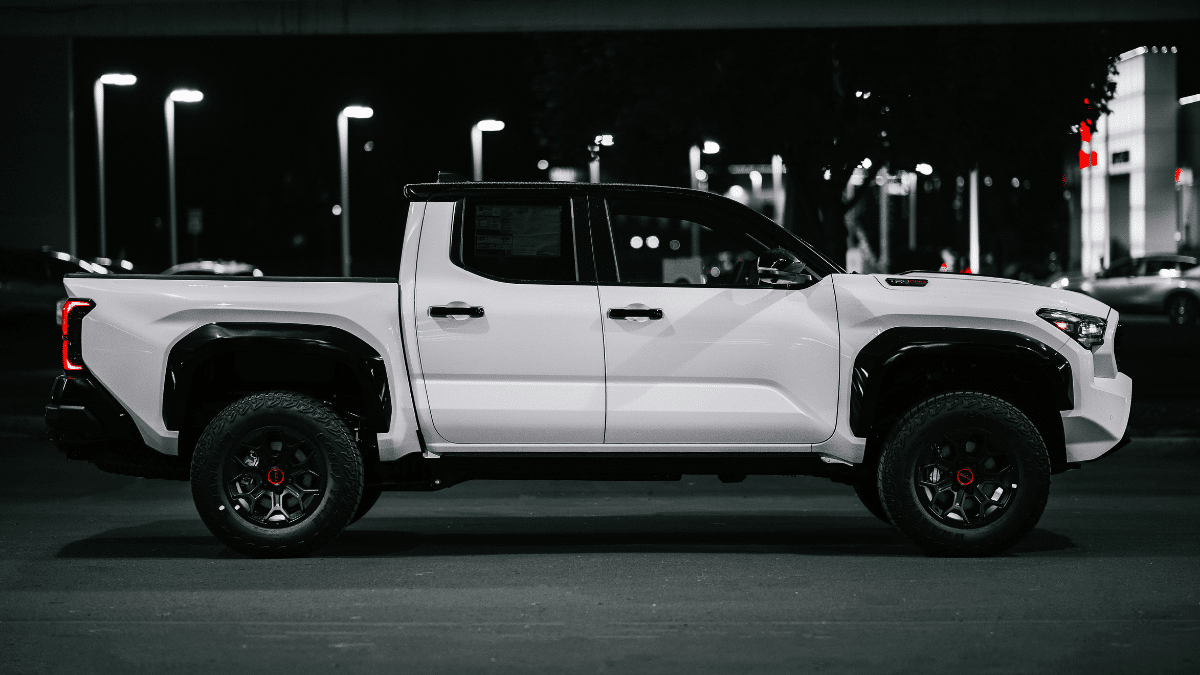
There is something about a lifted truck that just fits in Texas. The bigger tires, the aggressive stance, the way it towers over traffic on I-10 or I-35. Lifted trucks for sale in Texas are everywhere, from Facebook Marketplace to high-end dealership lots. But not all lifts are created equal, and buying the wrong one can cost you thousands in repairs, safety issues, and regret.
Whether you are shopping for your first lifted truck or upgrading from a stock rig, this guide covers everything you need to know: the types of lifts, what to inspect, how much to budget, and where to find a build you can actually trust.
Lifted Trucks in Stock Right Now
Every truck below is a lifted or custom-built rig sitting on one of our three Texas lots today, in Dallas, Austin or Houston. We keep 81 lifted and custom builds in stock, and 59 of them are diesel, so you are choosing from a real selection rather than the one lifted truck a typical dealer happens to have taken in on trade. Prices show the vehicle and the aftermarket work separately, with no hidden dealer fees. If you would rather see every truck we have, lifted or stock, start with our used pickup trucks for sale.
-
2026 Ford F-250 King Ranch
Stock #:D43513Vehicle Price $97,995Aftermarket Customizations $6,000
Featured Price $103,995+ $225 doc fee -
2024 Ford F-350 SRW Limited
Stock #:E38756Vehicle Price $88,995Aftermarket Customizations $4,000
Featured Price $92,995+ $225 doc fee -
2025 Ford F-250 Platinum
Stock #:D36626Vehicle Price $83,995Aftermarket Customizations $6,000
Featured Price $89,995+ $225 doc fee -
2026 Ford F-350 DRW Lariat
Stock #:D44772Vehicle Price $81,995Aftermarket Customizations $5,000
Featured Price $86,995+ $225 doc fee -
2026 Ford F-350 DRW Lariat
Stock #:C82500Vehicle Price $79,995Aftermarket Customizations $5,000
Featured Price $84,995+ $225 doc fee -
2026 Ford F-350 DRW Lariat
Stock #:C82725Vehicle Price $79,595Aftermarket Customizations $5,000
Featured Price $84,595+ $225 doc fee -
2025 Ram 2500 Laramie
Stock #:504812Vehicle Price $77,195Aftermarket Customizations $4,000
Featured Price $81,195+ $225 doc fee -
2024 Ford F-250 King Ranch
Stock #:F57512Vehicle Price $75,995Aftermarket Customizations $4,000
Featured Price $79,995+ $225 doc fee -
2023 Ram 3500 Limited Longhorn
Stock #:512665Vehicle Price $71,795Aftermarket Customizations $5,000
Featured Price $76,795+ $225 doc fee -
2025 Ford F-250 Lariat
Stock #:D71856Vehicle Price $71,995Aftermarket Customizations $4,000
Featured Price $75,995+ $225 doc fee -
2025 Ford F-350 DRW Lariat
Stock #:C21974Vehicle Price $69,995Aftermarket Customizations $5,000
Featured Price $74,995+ $225 doc fee -
2022 Ram 3500 Limited
Stock #:136200Vehicle Price $69,995Aftermarket Customizations $5,000
Featured Price $74,995+ $225 doc fee -
2025 Ford F-350 DRW Lariat
Stock #:C27467Vehicle Price $68,995Aftermarket Customizations $5,000
Featured Price $73,995+ $225 doc fee -
2026 Ford F-250 Lariat
Stock #:D78191Vehicle Price $69,995Aftermarket Customizations $4,000
Featured Price $73,995+ $225 doc fee -
2024 GMC Sierra 2500HD AT4X
Stock #:421557Vehicle Price $69,995Aftermarket Customizations $4,000
Featured Price $73,995+ $225 doc fee -
2026 Ram 2500 Power Wagon Rebel
Stock #:174463Vehicle Price $69,995Aftermarket Customizations $4,000
Featured Price $73,995+ $225 doc fee -
2024 Ford F-250 Platinum
Stock #:C73141Vehicle Price $69,995Aftermarket Customizations $4,000
Featured Price $73,995+ $225 doc fee -
2022 Ford F-450 Platinum
Stock #:D31820Vehicle Price $67,995Aftermarket Customizations $5,000
Featured Price $72,995+ $225 doc fee -
2024 Ram 3500 DRW Limited
Stock #:256267Vehicle Price $67,995Aftermarket Customizations $5,000
Featured Price $72,995+ $225 doc fee -
2025 Chevrolet Silverado 2500HD LTZ
Stock #:254283Vehicle Price $67,995Aftermarket Customizations $4,000
Featured Price $71,995+ $225 doc fee -
2021 Ford F-450 Lariat
Stock #:C97702Vehicle Price $66,995Aftermarket Customizations $5,000
Featured Price $71,995+ $225 doc fee
What Exactly Is a Lifted Truck?
A lifted truck has been modified to increase ground clearance beyond the factory spec. This is done through suspension changes, larger tires, or a combination of both. The result is a truck that sits higher, accommodates bigger wheels and tires, and has better clearance for off-road terrain.
Lifts range from subtle two-inch leveling kits to aggressive eight-inch (or more) suspension lifts that completely transform a truck’s profile. The right lift for you depends on how you plan to use the truck, what you are willing to spend, and how much ongoing maintenance you are comfortable with.
Types of Truck Lifts: Know the Differences
Before you start shopping for lifted trucks for sale in Texas, understand what you are looking at. There are three main categories, and each one has a different purpose, price point, and maintenance profile.
Leveling Kits
These are the entry point. A leveling kit raises the front of the truck by one to three inches to match the slightly higher rear end (most trucks come from the factory with a slight rake). Leveling kits are affordable (typically $200 to $500 for parts), relatively simple to install, and do not dramatically change how the truck drives. They allow for slightly larger tires and give the truck a more balanced look. For daily drivers who want a little extra presence without going overboard, this is the move.
Body Lifts
A body lift raises the truck’s body away from the frame using spacers or blocks, typically by one to three inches. The suspension geometry stays the same, so ride quality is mostly unchanged. Body lifts are more affordable than suspension lifts, but they have limitations. You gain tire clearance, but you do not actually improve off-road capability or suspension travel. Some buyers also notice a visible gap between the body and frame that does not look great without additional trim work.
Suspension Lifts
This is where serious builds start. A suspension lift replaces or modifies the truck’s springs, shocks, control arms, and other components to raise the entire vehicle (frame, body, and all). Suspension lifts range from four inches to eight inches or more and genuinely improve ground clearance, approach angles, and off-road performance. They also allow for significantly larger tires. The trade-off is cost (a quality suspension lift kit plus installation can run $2,000 to $8,000 or more) and the need for ongoing maintenance and alignment checks.
What to Look for When Buying a Lifted Truck
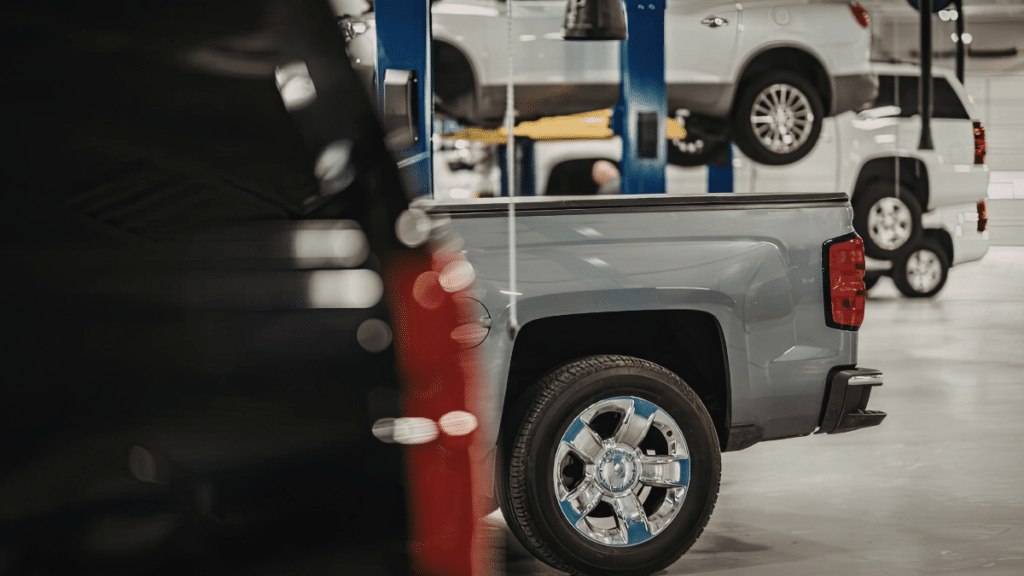
This is where a lot of buyers get burned. A lifted truck that looks incredible in photos can hide serious problems underneath. Here is your inspection checklist:
Brand-name components. The lift kit itself matters. Reputable brands like Rough Country, BDS, Fabtech, and ReadyLift engineer their kits to maintain proper suspension geometry, steering alignment, and load ratings. If the seller cannot tell you what brand of lift is on the truck, that is a red flag.
Professional installation. A great kit installed poorly is worse than no lift at all. Look for clean welds, factory-quality bolt connections, and no evidence of shortcuts. A dealership or shop that builds lifted trucks as a core part of their business is far more reliable than a one-off garage job.
Tire and wheel spec. Bigger is not always better. Tires and wheels need to match the lift height and the truck’s load rating. Oversized tires on an undersized lift create rubbing, premature wear, and steering issues. Quality setups pair the right tire size with the right offset and wheel width.
Alignment and steering. After a lift, the truck’s alignment specs change. A properly built truck will have been re-aligned post-installation. During your test drive, check for pulling, vibration, and any looseness in the steering wheel. Wandering at highway speed is a classic sign of a lift done wrong.
Drivetrain stress. Lifting a truck changes the angles on the driveshaft, CV joints, and other drivetrain components. On bigger lifts (six inches and up), quality builders install carrier bearing drops, extended brake lines, and corrected driveshaft angles. If these modifications were skipped, you are inheriting someone else’s ticking time bomb.
How Much Do Lifted Trucks Cost in Texas?
Pricing varies widely, and understanding why helps you separate fair deals from overpriced inventory. Here is a general breakdown of what to expect in the Texas market:
- Leveled trucks (stock truck plus a leveling kit and possibly upgraded tires) typically add $1,000 to $3,000 over the value of the same truck without the kit. These are the most accessible entry point for buyers who want a lifted look on a reasonable budget.
- Mid-range builds (four to six inch suspension lift, aftermarket wheels, upgraded tires) generally add $5,000 to $15,000 to the truck’s base value. At this level, you should expect quality components from recognized brands and professional installation.
- High-end custom builds (six-plus-inch lift, premium wheels like Fuel or Vossen, performance tires from Toyo or Fury, paint-matched trim, interior upgrades) can add $15,000 to $30,000 or more. These are the trucks that turn heads and hold value, but only when the build quality matches the price tag.
A general rule: be skeptical of lifted trucks priced at or below market value for the base vehicle. If the lift and modifications did not add to the price, there is usually a reason.
Maintenance and Ownership: What to Expect
Owning a lifted truck is not the same as owning a stock one. The modifications affect wear patterns, fuel economy, and maintenance intervals. Here is what to budget for:
Tires wear faster. Larger, heavier tires on a lifted truck wear more aggressively, especially if alignment is not checked regularly. Plan to replace tires every 30,000 to 50,000 miles depending on the setup and driving habits. Premium tires from brands like Toyo, Fury, or Ironman are worth the investment because they last longer and perform better than budget options.
Fuel economy drops. The combination of increased height, heavier wheels, and larger tires creates more aerodynamic drag and rolling resistance. Expect to lose one to three miles per gallon compared to the stock configuration. Diesel trucks handle this better than gas models, but the difference is still noticeable.
Suspension components need attention. Shocks, bushings, and ball joints work harder on a lifted truck. Have the suspension inspected at every oil change and budget for shock replacement every 50,000 to 70,000 miles on an actively driven truck.
Alignment is not optional. Get the alignment checked every 10,000 miles or whenever you notice uneven tire wear or pulling. A single alignment ($100 to $150) is a small price compared to replacing a $400 tire prematurely.
Texas Lift Laws: What Is Legal?
Texas does have regulations on vehicle height, though enforcement is generally relaxed compared to states like California. Under Texas law, the maximum bumper height for trucks under 4,500 pounds GVWR is 24 inches (front) and 26 inches (rear). For trucks over 4,500 pounds (which includes most three-quarter-ton and one-ton trucks), the limits are 27 inches (front) and 29 inches (rear).
Most lifted trucks from reputable dealers fall within these limits, but extreme builds can push boundaries. It is worth double-checking before you buy, especially if you plan to keep the truck street-legal for daily driving. A quality dealership will build within legal specs and know the regulations.
Where to Find Quality Lifted Trucks in Texas
The Texas market is flooded with lifted trucks, but the quality gap between sellers is massive. Here is how to find a build you can trust:
Specialized dealerships over general lots. A dealership that focuses on trucks and custom builds will stock better inventory, understand the components, and stand behind their work. General dealerships that happen to have a few lifted trucks on the lot usually bought them at auction and have no idea what is underneath.
Ask about the build sheet. Quality dealers can tell you exactly what brand of lift kit, wheels, tires, and accessories are on every truck they sell. If they cannot, move on.
Check the reviews. Google reviews, forums, and local truck communities in Texas are excellent resources. Dealers with strong reputations earn them through consistent quality over time, not through a single flashy Instagram post.
carsandpickups.com has had custom lifted trucks for sale in Texas since 2011. With locations in Addison (Dallas), Kyle (Austin), and Katy (Houston), they carry one of the largest selections of lifted pickups in the country. Their builds use quality components: Rough Country lift kits, Fuel and Cali Offroad wheels, Toyo and Fury tires. Every truck is built in-house, so the team knows exactly what is on every vehicle they sell.
Their no hidden fees, no pressure, no haggle approach also takes the stress out of the buying process. When you are spending serious money on a custom truck, you want a dealer who is straightforward about pricing from the start.
The Bottom Line
Buying a lifted truck in Texas is exciting, but it pays to be educated before you spend. Know the difference between lift types. Inspect the components and the installation quality. Understand the ongoing maintenance costs. And above all, buy from a dealer or builder with a proven track record.
A well-built lifted truck is more than a vehicle. It is a statement, a tool, and (for a lot of Texans) a way of life. Take the time to find the right one, and it will serve you well for years to come.